Buy youshow.eu ?
We are moving the project
youshow.eu .
Are you interested in purchasing the domain
youshow.eu ?
domain@kv-gmbh.de · 0541-91531010
Buy youshow.eu ?
What is the replication origin in DNA replication?
The replication origin is a specific sequence of DNA where the process of DNA replication begins. It is the site where the two strands of the DNA double helix are separated and the replication machinery is assembled. The replication origin is recognized by specific proteins that initiate the unwinding of the DNA and the synthesis of new DNA strands. Each DNA molecule has multiple replication origins to ensure that the entire genome is replicated efficiently. **
What is DNA replication?
DNA replication is the process by which a cell makes an identical copy of its DNA. This process is essential for cell division and the transmission of genetic information from one generation to the next. It involves the unwinding of the DNA double helix, the synthesis of new complementary strands using the existing strands as templates, and the proofreading and correction of any errors. DNA replication ensures that each new cell receives a complete and accurate set of genetic instructions. **

Similar search terms for Replication
Top-Angebote
Products related to Replication:
-
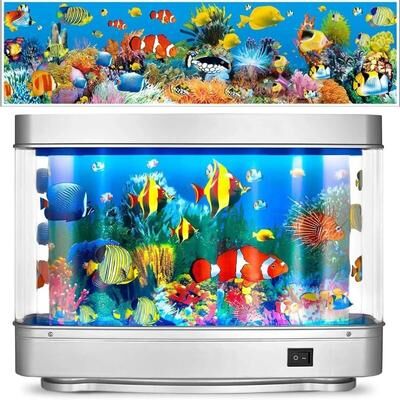
Uplift Essentials Serene Motion Virtual Aquarium Lamp Serene Motion Virtual Aquarium Lamp"Bring the soothing magic of the underwater world to your tabletop with the Serene Motion Virtual Aquarium Lamp. This highdefinition desktop aquarium decorative light uses advanced ""movingpicture"" technology to create a mesmerizing, continuous swim..."82,97 $*Shipping: 0,00 $Secure redirect to the provider
-
Uplift Essentials Virtual Motion Ocean Aquarium Lamp Virtual Motion Ocean Aquarium Lamp"Experience the tranquil beauty of the deep blue without the maintenance of a real tank with the Virtual Motion Ocean Aquarium Lamp. This creative decorative piece uses highdefinition ""moving picture"" technology to simulate a vibrant tropical reef,..."79,97 $*Shipping: 0,00 $Secure redirect to the provider
-
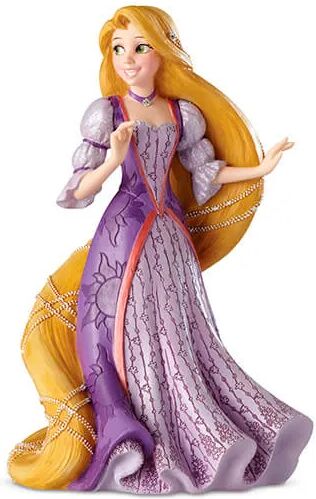
Disney Showcase Rapunzel FigurineRadiant and full of optimism, this Disney Showcase figurine captures Rapunzel from Tangled in a beautifully detailed collector’s design. Celebrating her adventurous spirit and hopeful nature, Rapunzel is portrayed with exquisite finishing touches, including sparkling sleeves, delicate pearls braided through her flowing golden hair, and a gown decorated with sun and floral motifs inspired by her kingdom of Corona. Crafted from high‑quality cast stone resin and carefully hand‑painted, each figurine features subtle colour variations that enhance its handcrafted appeal and make every piece unique. The refined sculpting and elegant detailing give this figurine a polished, display‑worthy presence from every angle. Presented in a branded Disney Showcase gift box, this Rapunzel figurine is a stunning addition to any Disney princess collection and a thoughtful gift for fans of Tangled. Dimensions: 20.5(H) x 14(L) x 11.5(W) cm.59,95 £*Shipping: 0,00 £Secure redirect to the provider
-
Matrix Virtual Training Cycle CXVTHE MATRIX VIRTUAL TRAINING CYCLE The Matrix Virtual Training Cycle is the purpose built bike for your cardio zone. Whether gym members are challenging themselves with exclusive workouts, enjoying streaming entertainment or taking on an immersive group class, the Virtual Training Cycle will...4794,00 £*Shipping: 0,00 £Secure redirect to the provider


-
What is semiconservative replication?
Semiconservative replication is the process by which DNA is copied during cell division. In this process, the two strands of the DNA double helix separate, and each strand serves as a template for the synthesis of a new complementary strand. As a result, each new DNA molecule contains one original strand and one newly synthesized strand. This ensures that the genetic information is preserved and passed on to the next generation of cells. This process was first proposed by James Watson and Francis Crick in 1953. **
-
Where does DNA replication occur?
DNA replication occurs in the nucleus of eukaryotic cells and in the cytoplasm of prokaryotic cells. In eukaryotic cells, DNA replication takes place during the S phase of the cell cycle, when the DNA is duplicated to ensure that each daughter cell receives a complete set of genetic information. The process involves the unwinding of the DNA double helix, the synthesis of new DNA strands using existing strands as templates, and the proofreading and correction of errors. Overall, DNA replication is a fundamental process that ensures the accurate transmission of genetic information from one generation to the next. **
-
What is a replication bubble?
A replication bubble is a region of DNA where the double helix has been unwound and separated to allow for DNA replication to occur. It is formed by the action of helicase enzymes that unwind the DNA strands, creating two single-stranded templates for the replication process. The replication bubble expands as the replication machinery moves along the DNA, synthesizing new strands of DNA. Replication bubbles are a key feature of DNA replication and allow for the efficient and accurate copying of genetic information. **
-
How does DNA replication occur?
DNA replication occurs in a semi-conservative manner, where the two strands of the double helix are separated and each strand serves as a template for the synthesis of a new complementary strand. The enzyme helicase unwinds the double helix, creating two single strands. DNA polymerase then adds new nucleotides to each single strand, following the base-pairing rules (A with T, and C with G). This results in two identical double-stranded DNA molecules, each containing one original strand and one newly synthesized strand. **
What is RNA self-replication?
RNA self-replication is a process where RNA molecules are able to catalyze their own replication without the need for external enzymes. This ability is crucial for the early evolution of life on Earth, as it is believed to be a key step in the transition from prebiotic chemistry to the emergence of life. RNA self-replication involves the RNA molecule acting as both a template and an enzyme, allowing it to make copies of itself. This process is a fundamental aspect of the RNA world hypothesis, which suggests that RNA played a central role in the origin of life. **
How can one label DNA replication?
DNA replication can be labeled by incorporating a radioactive or fluorescent nucleotide into the newly synthesized DNA strands. This can be achieved by adding the labeled nucleotide to the culture medium of cells undergoing replication. The labeled nucleotide will be incorporated into the growing DNA strands, allowing the visualization and tracking of the replication process. Additionally, techniques such as autoradiography or fluorescence microscopy can be used to detect and analyze the labeled DNA strands. **
Top-Angebote
Products related to Replication:
-
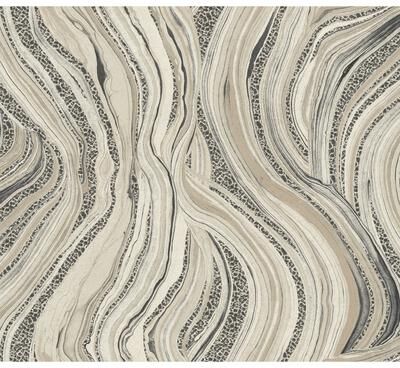
Ronald Redding Streaming Cheetah Linen WallpaperMarble veining and animal skin combine to compose a stream of color and print in pattern Streaming Cheetah. This Streaming Cheetah Wallpaper measures approximately 27 inches wide by 27 feet long, covering About 60.8 square feet per roll.170,00 $*Shipping: 0,00 $Secure redirect to the provider
-
Logitech Litra Glow Streaming Light BlackStreaming light delivering 250 lumens with adjustable color temperature from 2700K to 6500K for natural, flattering lighting. TrueSoft technology diffuses light evenly to enhance skin tone during streaming and video calls. USB-powered with software control via Logitech G HUB; includes adjustable monitor mount for height, tilt, and rotation customization. Compatible with Windows 10+ and macOS 10.14+.82,49 £*Shipping: 0,00 £Secure redirect to the provider
-
Uplift Essentials Serene Motion Virtual Aquarium Lamp Serene Motion Virtual Aquarium Lamp"Bring the soothing magic of the underwater world to your tabletop with the Serene Motion Virtual Aquarium Lamp. This highdefinition desktop aquarium decorative light uses advanced ""movingpicture"" technology to create a mesmerizing, continuous swim..."82,97 $*Shipping: 0,00 $Secure redirect to the provider
-
Uplift Essentials Virtual Motion Ocean Aquarium Lamp Virtual Motion Ocean Aquarium Lamp"Experience the tranquil beauty of the deep blue without the maintenance of a real tank with the Virtual Motion Ocean Aquarium Lamp. This creative decorative piece uses highdefinition ""moving picture"" technology to simulate a vibrant tropical reef,..."79,97 $*Shipping: 0,00 $Secure redirect to the provider
-
What is the replication origin in DNA replication?
The replication origin is a specific sequence of DNA where the process of DNA replication begins. It is the site where the two strands of the DNA double helix are separated and the replication machinery is assembled. The replication origin is recognized by specific proteins that initiate the unwinding of the DNA and the synthesis of new DNA strands. Each DNA molecule has multiple replication origins to ensure that the entire genome is replicated efficiently. **
-
What is DNA replication?
DNA replication is the process by which a cell makes an identical copy of its DNA. This process is essential for cell division and the transmission of genetic information from one generation to the next. It involves the unwinding of the DNA double helix, the synthesis of new complementary strands using the existing strands as templates, and the proofreading and correction of any errors. DNA replication ensures that each new cell receives a complete and accurate set of genetic instructions. **
-
What is semiconservative replication?
Semiconservative replication is the process by which DNA is copied during cell division. In this process, the two strands of the DNA double helix separate, and each strand serves as a template for the synthesis of a new complementary strand. As a result, each new DNA molecule contains one original strand and one newly synthesized strand. This ensures that the genetic information is preserved and passed on to the next generation of cells. This process was first proposed by James Watson and Francis Crick in 1953. **
-
Where does DNA replication occur?
DNA replication occurs in the nucleus of eukaryotic cells and in the cytoplasm of prokaryotic cells. In eukaryotic cells, DNA replication takes place during the S phase of the cell cycle, when the DNA is duplicated to ensure that each daughter cell receives a complete set of genetic information. The process involves the unwinding of the DNA double helix, the synthesis of new DNA strands using existing strands as templates, and the proofreading and correction of errors. Overall, DNA replication is a fundamental process that ensures the accurate transmission of genetic information from one generation to the next. **
Similar search terms for Replication
-
Disney Showcase Rapunzel FigurineRadiant and full of optimism, this Disney Showcase figurine captures Rapunzel from Tangled in a beautifully detailed collector’s design. Celebrating her adventurous spirit and hopeful nature, Rapunzel is portrayed with exquisite finishing touches, including sparkling sleeves, delicate pearls braided through her flowing golden hair, and a gown decorated with sun and floral motifs inspired by her kingdom of Corona. Crafted from high‑quality cast stone resin and carefully hand‑painted, each figurine features subtle colour variations that enhance its handcrafted appeal and make every piece unique. The refined sculpting and elegant detailing give this figurine a polished, display‑worthy presence from every angle. Presented in a branded Disney Showcase gift box, this Rapunzel figurine is a stunning addition to any Disney princess collection and a thoughtful gift for fans of Tangled. Dimensions: 20.5(H) x 14(L) x 11.5(W) cm.59,95 £*Shipping: 0,00 £Secure redirect to the provider
-
Matrix Virtual Training Cycle CXVTHE MATRIX VIRTUAL TRAINING CYCLE The Matrix Virtual Training Cycle is the purpose built bike for your cardio zone. Whether gym members are challenging themselves with exclusive workouts, enjoying streaming entertainment or taking on an immersive group class, the Virtual Training Cycle will...4794,00 £*Shipping: 0,00 £Secure redirect to the provider
-
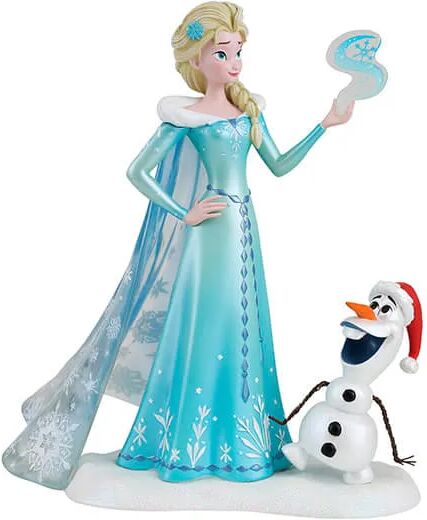
Disney Showcase Elsa & Olaf FigurineElegance and icy magic come together in this striking Disney Showcase figurine featuring Elsa and Olaf. Returning to the collection with enhanced detailing, the scene captures Elsa in a poised, confident stance alongside Olaf, celebrating the enduring friendship and enchantment of Frozen. The composition feels dynamic and refined, offering a strong visual presence from every angle. Finished with Disney Showcase’s premium touches, the figurine features opalescent paint effects, a clear resin cape that adds movement and light, and a glittered snow base that brings the scene to life. Crafted from high-quality stone resin and carefully hand-finished, each detail is designed to elevate the piece into a true collector’s display rather than a standard ornament. Ideal for fans of Frozen and Disney collectors alike, this figurine makes an eye‑catching centrepiece for shelves, cabinets, or seasonal displays. Dimensions: 20.5(H) x 20.5(L) x 15(W) cm.89,95 £*Shipping: 0,00 £Secure redirect to the provider
-
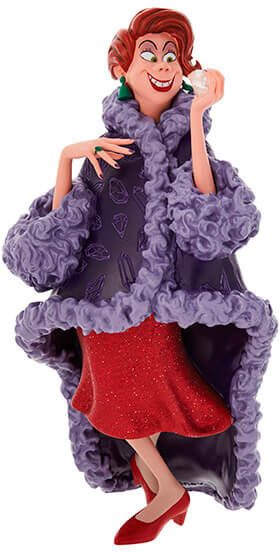
Disney Showcase Madame Medusa FigurineBold, dramatic, and unapologetically extravagant, this Disney Showcase figurine introduces Madame Medusa from The Rescuers as a striking villain centrepiece. Created to mark the 45th anniversary of the 1977 Disney classic, the design captures Medusa’s obsessive pursuit of diamonds, a defining trait of her larger‑than‑life personality. Crafted from cast stone resin and finished with exceptional attention to detail, the figurine features embedded gemstones, a vivid red glitter dress, and a fur‑trimmed cape with a high‑low design that adds both movement and stability. The sculpted pose and expressive detailing bring Medusa’s greed‑driven ambition vividly to life, making this a standout piece within the Disney Showcase villain collection. Each figurine is carefully hand‑painted, with subtle colour variations ensuring every piece is unique. Presented in a fully branded Disney Showcase gift box, this collectible is ideal for Disney villain fans and collectors of statement display pieces. Dimensions: 22.5(H) x 12(L) x 11(W) cm.84,95 £*Shipping: 0,00 £Secure redirect to the provider
-
What is a replication bubble?
A replication bubble is a region of DNA where the double helix has been unwound and separated to allow for DNA replication to occur. It is formed by the action of helicase enzymes that unwind the DNA strands, creating two single-stranded templates for the replication process. The replication bubble expands as the replication machinery moves along the DNA, synthesizing new strands of DNA. Replication bubbles are a key feature of DNA replication and allow for the efficient and accurate copying of genetic information. **
-
How does DNA replication occur?
DNA replication occurs in a semi-conservative manner, where the two strands of the double helix are separated and each strand serves as a template for the synthesis of a new complementary strand. The enzyme helicase unwinds the double helix, creating two single strands. DNA polymerase then adds new nucleotides to each single strand, following the base-pairing rules (A with T, and C with G). This results in two identical double-stranded DNA molecules, each containing one original strand and one newly synthesized strand. **
-
What is RNA self-replication?
RNA self-replication is a process where RNA molecules are able to catalyze their own replication without the need for external enzymes. This ability is crucial for the early evolution of life on Earth, as it is believed to be a key step in the transition from prebiotic chemistry to the emergence of life. RNA self-replication involves the RNA molecule acting as both a template and an enzyme, allowing it to make copies of itself. This process is a fundamental aspect of the RNA world hypothesis, which suggests that RNA played a central role in the origin of life. **
-
How can one label DNA replication?
DNA replication can be labeled by incorporating a radioactive or fluorescent nucleotide into the newly synthesized DNA strands. This can be achieved by adding the labeled nucleotide to the culture medium of cells undergoing replication. The labeled nucleotide will be incorporated into the growing DNA strands, allowing the visualization and tracking of the replication process. Additionally, techniques such as autoradiography or fluorescence microscopy can be used to detect and analyze the labeled DNA strands. **
* All prices are inclusive of VAT and, if applicable, plus shipping costs. The offer information is based on the details provided by the respective shop and is updated through automated processes. Real-time updates do not occur, so deviations can occur in individual cases. ** Note: Parts of this content were created by AI.